What is an airdrop in crypto? A crypto airdrop is a way for blockchain startups to promote their projects by sending free tokens or coins straight to wallet addresses. The goal is usually to get more people to know about and use the new project. By giving people small amounts of cryptocurrency, these projects encourage them to get involved, be a part of the community, and do some trading when the token first appears on exchanges, often listed on best crypto exchanges for maximum visibility.
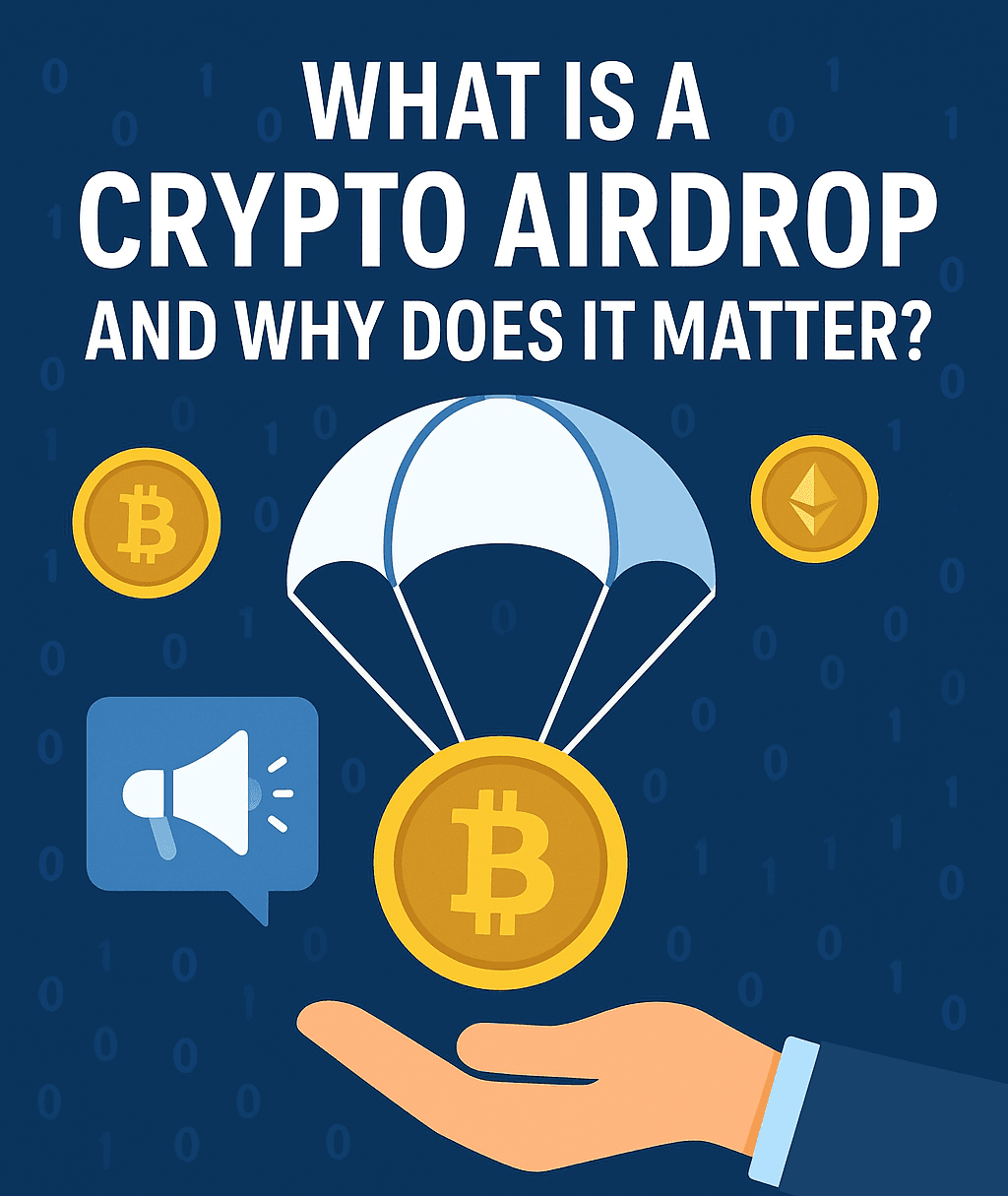
Airdrops are important because they can make a blockchain project more visible, encourage growth, and spark early interest. By carefully giving out tokens, startups can reach more people, reward loyal community members, and increase the use of their cryptocurrency, all while making it easier for new users to join. Airdrops help users access new tokens, which they can safely trade or manage on platforms like Zavros Network
How Do Cryptocurrency Airdrops Actually Work?
Airdrops of cryptocurrencies follow a set procedure meant to give out coins fairly and get people involved in the community. The process usually starts when a project team reveals an airdrop through official channels or cryptocurrency communities, giving information on who can participate, what tasks need to be done, and when the cryptos will be distributed.
Individuals can sign up for the airdrop by providing their wallet addresses and fulfilling any requirements, which could include joining a community forum, sharing project content, or holding a certain amount of a connected cryptocurrency. The project team then checks to see if the person is eligible to make sure they are following the airdrop rules.
Once the transaction is confirmed, tokens are sent to users’ wallets. To keep things fair and open, this is often done automatically by smart contracts. Most of the time, users get the tokens directly, but some may need to add them to their wallets by hand in order to see their right balances.
There are several ways to figure out who is eligible:
- Snapshot-based airdrops: At a certain date and time,The project records wallet balances at a specific date and time. Only wallets meeting the criteria are eligible.
- Public campaigns: Broader airdrops where people sign up on their own to receive tokens as part of public efforts.
Because blockchain networks can get very busy, airdrops can have transaction delays or fluctuations. This is why people who want to take part must carefully read the directions and make sure their wallets meet the project’s needs.
Understanding “How does crypto airdrop work? and How to get crypto airdrops?” helps users safely take part in airdrops, get the most out of engagement opportunities, and get early access to new cryptocurrency projects, all while keeping their interactions with the blockchain environment safe and legal.
Different Types of Crypto Airdrops Explained
Best crypto airdrops come in different ways, each one meant to do something different and get people interested in it. Knowing about these types helps people who are interested in taking part know what to expect and how to apply.
1. Standard Airdrop
To get tokens, participants only need to say they want them and generally give a valid wallet address. Some airdrops do not need you to do anything else besides sign up. Standard airdrops are easy to understand, which makes them perfect for beginners who want to join with little work.
2. Bounty Airdrop
Bounty airdrops give people rewards for doing certain things, like sharing material on social media, writing posts, or spreading the word about a project online. These airdrops give tokens to people who participate in the community and help promote the project.
3. Holder Airdrop
In this type, people who want to play must have a certain crypto or token in their wallets. How many tokens you get may depend on how much you hold and how long you hold it. Holder airdrops are a way to thank investors for their loyalty and encourage them to keep using the ecosystem.
4. Exclusive Airdrop
Exclusive airdrops require invitation. There are many ways to choose participants, such as by their reputation, impact, contribution to the project, or something else. This method focuses on early adopters, important members of the community, or strategic partners to encourage adoption and boost the project’s credibility.
5. Raffle or Combination Airdrops
Some projects use more than one way. For example, they might give tokens to people randomly or as part of a raffle, and they might also give extra tokens for doing tasks or holding crypto coins that already exist. This mixed method encourages participation while rewarding engagement.
Why Projects Use Crypto Airdrops to Build Awareness
Blockchain companies use crypto airdrops as a strategic way to get people to know about and use their projects. By sending tokens or coins directly to users’ wallets, projects can get people’s attention, encourage participation, and get the cryptocurrency community excited about them early on.
People usually find out about airdrops on public company pages, social media sites, newsletters, and cryptocurrency forums. This specific communication makes sure that tokens get to busy and interested users, which increases the chances of adoption and participation.
Recipients may have to do easy things like share content, join community groups, or write online about the project. Not only do these activities raise awareness, but they also support ongoing interaction and engagement, which makes users more active and invested.
By giving away tokens through airdrops, projects can quickly grow their communities, get tokens into circulation, and get people trading before the token even goes on sale on an exchange. This method of marketing is an inexpensive approach to get potential users interested in the project and encourage them to learn more about it and support it.
Earning Rewards Through Crypto Airdrops
Crypto fans can get rewards for taking part in blockchain projects through airdrop crypto. These rewards could be free tokens sent to wallets, which can then be used in a number of ways based on the plan and goals of the participant.
1. Selling:
One way to make money from airdrop cryptocurrency is to sell the tokens you get when they can be traded. Market dynamics like supply, demand, and the number of available tokens affect the price, which means that early distribution participants may be able to make money immediately.
2. Holding:
Participants can also choose to keep the airdropped tokens in case they go high in value over time. Depending on the project’s success and token adoption, its value may rise over time, delivering bigger rewards than quick selling.
Spotting and Avoiding Crypto Airdrop Scams
Crypto airdrops are a way to get free tokens and get involved with new blockchain projects, but they also come with some risks. Scammers may use fake airdrops to take money or personal wallet information from people who do not know what is going on.
An honest airdrop will never ask for money up front. Any request for money, cryptocurrency deposits, or secret keys is a very clear sign that something is wrong. Phishing schemes and “dusting attacks,” when little amounts of cryptocurrency are transmitted to wallets to track user activity, are common scams.
To keep yourself safe:
- Check official channels: Only follow announcements that come from the project’s main website, social media, or community sites.
- Do not share private keys or seed phrases. Airdrops will never ask for these secret credentials.
- Be cautious of promises of guaranteed profits: Scams that offer big returns or special prizes in exchange for your immediate action are common.
- Check the project’s legitimacy: Deeply research about the team, reviews, and past work to make sure the airdrop is real.
Crypto airdrops are safe for users as long as they are careful and do their research. This way, they can avoid scams and take advantage of real chances to get free tokens.
Do You Pay Taxes on Crypto Airdrops?
Local cryptocurrency laws determine whether a crypto airdrop is taxed or not. If you live in the United States and get airdropped tokens, you need to report them on your federal income tax return as income at the time you receive them.
The taxed amount is usually the tokens’ fair market value at the time they are received. For airdropped tokens that are locked or subject to a vesting schedule, taxation may not happen until the tokens are unlocked and in the hands of the recipient.
Selling airdropped tokens may trigger additional taxable events. You can figure out if you made or lost money on a cash gain or loss by comparing the sale price to the token’s fair market value when you got it. Depending on how long you hold on to the investment, you may make long-term or short-term gains.
Receivers should also consider taxable fee records including what are crypto gas fees and understand asset movement costs like what is bridging in crypto.
Pros and Cons of Joining a Crypto Airdrop
Taking part in crypto airdrops can give you special chances, but it can also be risky. Information about the pros and cons helps users make smart choices.
Pros
- Early Token Access: Airdrop coins give early adopters tokens before anyone else. This indicates that they might be able to profit from future price hikes.
- Awareness and Engagement: Airdrops are a sort of marketing that helps people learn about new blockchain initiatives and gets them interested with the platform.
- Token Adoption: Projects that send tokens to wallets encourage circulation and use, which boosts cryptocurrency adoption.
- Community Rewards: Airdrops reward loyal users and active players, strengthening and engaging the project community.
Cons
- Security Risks: If users do not take the right measures, connecting their wallets to claim airdrops could put them at risk of phishing attacks or visiting malicious websites.
- Pump-and-Dump Schemes: The purpose of some airdrops is to briefly raise the value of tokens, which could mean losses for participants.
- Low Liquidity: Tokens given away in an airdrop may not trade freely or be difficult to sell, which lowers their usefulness.
- Scams and Bad Projects: Not all airdrops are real; some may involve bad projects or plans that do not do what they say they will do.
Crypto Airdrops vs. ICOs: What’s the Difference?
Initial coin offerings (ICOs) and crypto airdrops both try to get people to participate and spread tokens, but they do so in very different ways and with very different goals.
Crypto Airdrops give users free tokens, usually as part of a marketing effort to get more people to use the cryptocurrency and reward early adopters. Airdrops often require minimal input, such as holding tokens or joining a community, and then tokens are sent directly to eligible wallets.
However, investors buy tokens at a discount at ICOs to fund a project. The main goal of these offerings is to get bigger investors who are ready to put money into the project with the hope of making money as it grows.
Airdrops are aimed at smaller users and community involvement to promote broad adoption and token circulation. ICOs, on the other hand, are aimed at investors who want to see how the project can grow.
By knowing these differences, people can choose how to interact with new blockchain projects, such as whether to get free tokens through an airdrop or invest in a project through an ICO.
Examples of Crypto Airdrops in Action
Blockchain projects have used crypto airdrops to get tokens out to people and get people involved. Gas DAO, which came out at the end of 2021, is a well-known case.
To reward loyal users and set up a structured ownership model, the platform gave tokens to users who had hit certain Ethereum holdings. Over 634,000 suitable wallets received about 55% of the Gas DAO tokens through an airdrop. This demonstrates the scale and reach achievable with careful airdrop planning.
OpenDao is another example. It gave tokens to NFT users on OpenSea based on how much they traded. This airdrop linked rewards and ownership to active involvement, creating a network-driven structure that encouraged collectors to take part. At its peak, OpenDao had a market cap of more than $250 million. This shows how valuable and important airdrops can be in busy blockchain communities.
In the real world, these examples show how well-planned airdrops can boost acceptance, reward early supporters, and boost activity in the ecosystem as a whole, benefiting both users and projects.
FAQs
What Was the First Cryptocurrency Airdrop?
Most people agree that the BitcoinTalk community giveaways and the Auroracoin airdrop in 2014 were the first known cryptocurrency airdrops. During this event, developers gave coins directly to Icelandic citizens to encourage usage. The first airdrops showed that blockchain projects could use giving away free tokens as a way to promote themselves and get people interested.
What Is an NFT Airdrop?
A non-fungible token (NFT) airdrop gives NFTs to certain wallets, usually as a reward for holding another cryptocurrency or doing chores. The goal of NFT airdrops is to get more people involved, reward loyal community members, and get more trade going in the NFT ecosystem.
Did El Salvador Conduct a Bitcoin Airdrop?
Yes. As part of a national Bitcoin airdrop in 2021, El Salvador gave away $30 worth of Bitcoin to people who got Chivo, the official government wallet app. The goal of this project was to get people used to Bitcoin as a legal form of payment and to promote the use of digital currency in the country.
How Can I Discover Crypto Airdrops?
People who are part of a crypto project usually let people know about airdrops through their websites, social media accounts, community groups, and email newsletters. You can get real-time alerts about upcoming and current airdrops with tools like CoinMarketCap’s airdrop calendar and Etherscan notifications.
Can You Profit From Crypto Airdrops?
Yes. After airdropped tokens become tradeable, participants can make money by selling them or holding on to them for long-term value growth if the project works. But making money relies on how much demand there is in the market, how liquid the tokens are, and how well the project does overall, so it is best to do a lot of research and plan ahead.